
Indonesia Furniture Export Targets USD 2.1 Billion Amid Global Trade Shifts
Indonesia’s furniture industry is targeting USD 2.1 billion in exports this year despite global economic uncertainty. Industry leaders remain optimistic about growth opportunities, particularly in the U.S. market.
3/3/20263 min read
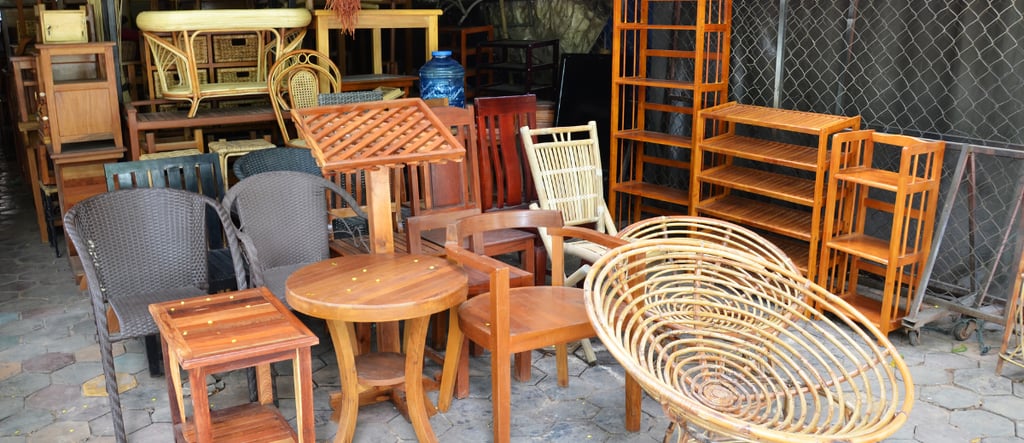
Indonesia’s furniture and home décor industry is setting a new export target of USD 2.1 billion for this year, equivalent to approximately Rp 34.21 trillion based on the current exchange rate. The projection reflects an estimated growth of around 8 to 12 percent compared to the industry’s performance in 2020, even as global economic conditions remain uncertain.
The target was announced by the leadership of the Indonesian Furniture and Handicraft Industry Association (HIMKI) during a press conference at the Indonesia International Furniture Expo (IFEX) 2025, held at Jakarta International Expo (JIExpo). According to industry representatives, the revised target has taken into account ongoing geopolitical developments and shifting global trade patterns.
Although the USD 2.1 billion goal signals optimism, it is slightly lower than the total export realization recorded in 2024, which reached approximately USD 2.4 billion. The adjustment reflects a more cautious approach amid fluctuating international demand and trade disruptions in several major economies.
One of the key external factors influencing the outlook is the ongoing trade tension involving the United States and several countries, including China, Mexico, and Canada. Tariff policies and trade restrictions have reshaped supply chains across various industries, including furniture manufacturing.
Despite these uncertainties, Indonesian industry leaders see potential opportunities arising from the situation. Higher import tariffs imposed on Chinese products entering the United States could create space for alternative suppliers, including Indonesia. As one of the established furniture exporters to the U.S., Indonesia may benefit from buyers seeking to diversify sourcing away from heavily tariffed markets.
The United States remains the largest export destination for Indonesian furniture products, contributing around USD 250 million annually. Any growth in U.S. domestic demand or shifts in sourcing strategies could positively influence Indonesia’s export performance. Industry observers believe that improved U.S. economic momentum, partly driven by tariff adjustments, may lead to stronger furniture imports from alternative suppliers.
IFEX 2025 is also expected to play a significant role in supporting the year’s export performance. Organizers estimate that the exhibition could contribute up to 60 percent of the national furniture export value in 2025 through direct and follow-up transactions. The event, which runs from March 6 to 9, 2025, has already recorded on-the-spot transactions totaling around USD 350 million, equivalent to roughly Rp 5.7 trillion.
Historically, the majority of business agreements from IFEX are finalized in the months following the exhibition. Industry leaders anticipate that continued negotiations over the next three to four months could generate additional transaction value of up to USD 1 billion. This long-term follow-up is considered a critical driver in reaching the annual export target.
Looking further ahead, the industry has outlined an ambitious roadmap toward 2030. HIMKI has set a medium-term goal of reaching USD 5 billion in furniture exports, with a more optimistic scenario targeting USD 6 billion by the end of the decade. Achieving this milestone will require consistent market expansion, product innovation, and strengthened global branding.
From a regional perspective, IFEX 2025 has attracted strong participation from European buyers, followed by China, the United States, Australia, and India. Europe continues to demonstrate stable demand for Indonesian wooden and rattan furniture, particularly in the mid- to high-end market segments.
However, industry representatives noted that buyers from the Middle East — identified as a potential expansion market — were not as prominent at this year’s exhibition. Expanding market penetration in that region remains part of the industry’s broader international diversification strategy.
Overall, while global trade dynamics present both risks and opportunities, Indonesia’s furniture sector remains cautiously optimistic. By leveraging international exhibitions, responding to shifting trade policies, and maintaining product competitiveness, the industry aims to sustain growth momentum and strengthen its position in the global furniture market.
With clear targets for both the short term and the long term, Indonesia’s furniture exporters are positioning themselves to adapt to evolving global conditions while pursuing steady expansion in key international markets.
Loka Nusantara Furniture -
Nature Furniture Sourcing & Export Partner


Trusted wooden furniture Indonesia manufacturer specializing in high-quality solid wood furniture for global export markets. Custom design, sustainable materials, and international standards.
Menu
Contact Us
Important Links
+62 8774-2956-616